
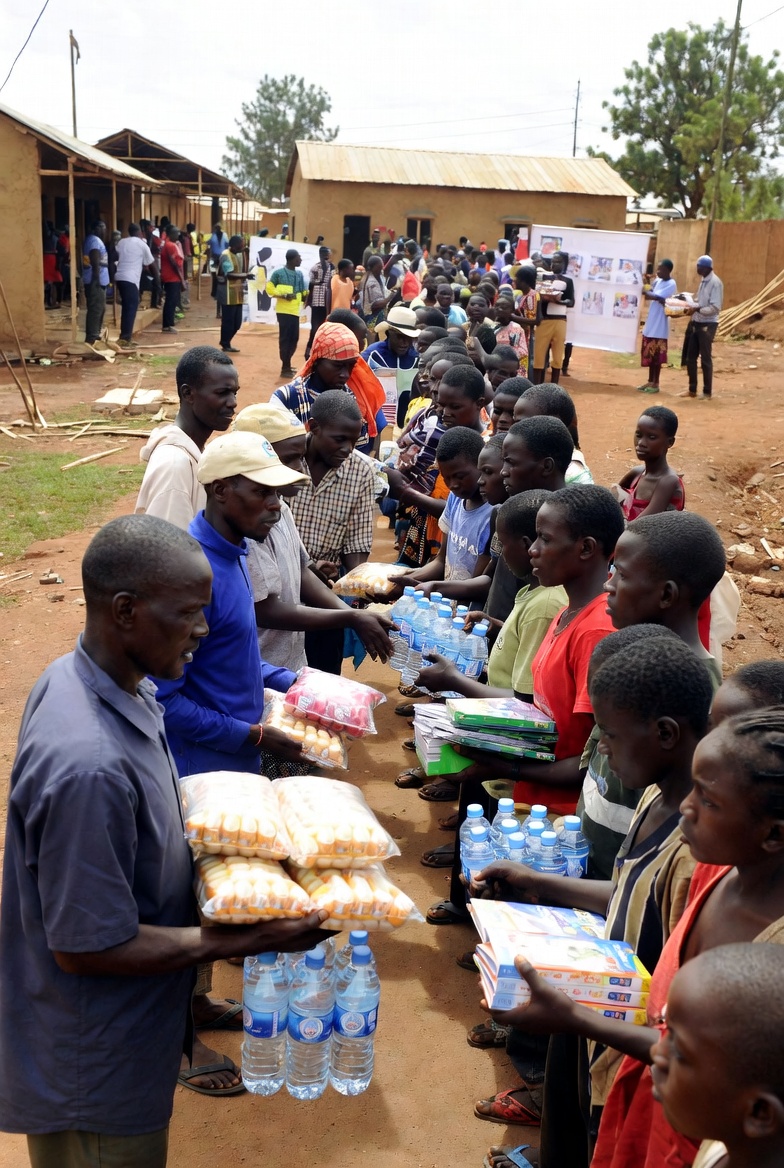
The Power of Giving
 admin
adminIn a world facing complex challenges from hunger and lack of education to health crises and inequality non-governmental organizations (NGOs) remain one of the most effective forces for positive change. NGOs operate where governments sometimes cannot reach, delivering aid, building capacity, and advocating for those who need it most. At the heart of every successful NGO effort lies one simple, powerful act: giving.
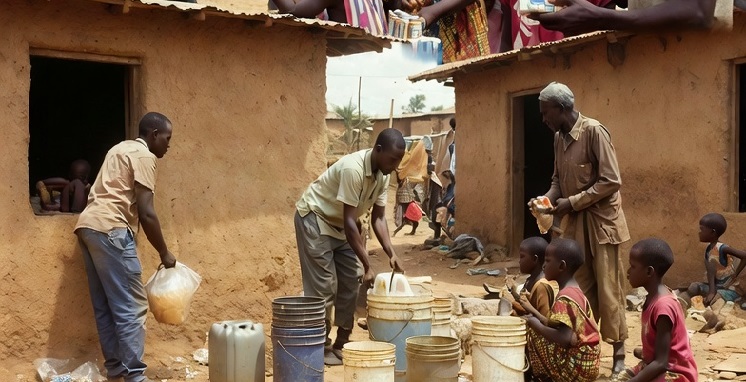
Why Donations Matter More Than Ever NGOs rely almost entirely on voluntary contributions to function. Unlike governments, they have no tax revenue. Unlike businesses, they generate no profit. Donations whether ₦7,000 from an individual or larger grants from foundations are what allow NGOs to:
- Purchase and distribute food, medicine, school supplies, and clean water
- Train community leaders and health workers
- Build or repair schools, clinics, and water points
- Run awareness campaigns that prevent disease and promote equality
- Respond rapidly during emergencies (floods, conflicts, disease outbreaks)
Without consistent giving, these life-changing programs simply cannot continue.
Small Gifts Create Large Ripples Many people hesitate because they think “my donation is too small.” The truth is the opposite: modest, regular gifts are often the backbone of NGO sustainability.
Consider these real-world examples of impact
- A ₦14,000 monthly gift can provide school books and uniforms for a child for several months.
- A ₦35,000 one-time donation can supply hygiene kits to protect 5–10 families from preventable infections.
- A ₦70,000 contribution can help fund a mobile health team visit that serves dozens of people in a remote area.
- A ₦140,000 gift often covers essential medicines or seeds/tools for a family to start growing their own food.
When thousands of people give at these levels, the collective result becomes transformative—feeding communities, educating generations, and restoring health on a scale few individuals could imagine alone.
Different Ways People Give and Why Each Matters Giving takes many forms, and every form counts:
- One-time donations → Provide immediate resources for urgent needs
- Monthly/recurring gifts → Offer NGOs predictable funding to plan long-term programs
- In-kind donations → Goods (clothes, books, medical supplies) reduce costs so cash can go further
- Corporate matching → Many employers double employee donations, instantly multiplying impact
- Legacy giving → Including an NGO in a will creates funding that lasts for decades
- Advocacy & awareness → Sharing stories and campaigns brings in more supporters
All of these channels together create the ecosystem that allows NGOs to operate year after year.
The Joy and Purpose That Comes from Giving Research consistently shows that generous people report higher levels of happiness, life satisfaction, and sense of meaning. Giving connects us to something larger than ourselves. It reminds us that even in difficult times, we have the power to improve someone else’s day, health, education, or future.
A donor once said: “I used to think charity was something other people did. Then I started giving ₦21,000 a month. Seeing photos of children receiving meals and going to school because of that small amount changed how I see my own life. I feel richer, not poorer.”
A Simple Invitation You don’t need to be wealthy to make a meaningful difference. You only need to decide that helping matters.
If you feel moved to act:
- Start with an amount that feels comfortable even ₦5,000 or ₦10,000 monthly
- Set up recurring giving if possible (it’s the most powerful form of support)
- Share the cause with friends and family
Every act of giving, no matter the size, contributes to a kinder, fairer, healthier world.
Because when enough people give, even just a little, everything changes.
Your generosity has power. Use it.